
By Chloe Fennell — Tigress Botanicals

Trauma touches more lives than we realize. It shows up not only in the mind and emotions, but also in the skin, digestion, sleep patterns, relationships, and the subtle energetic body that holds our life story. As a nurse and herbalist, I’ve learned that healing trauma requires gentleness, patience, and plants that honor the whole person — not just their symptoms.
Trauma-informed herbalism is the art of working with plants in a way that supports regulation, safety, boundaries, embodiment, and reconnection. Instead of forcing change, the herbs meet the body where it is, offering nourishment to the nervous system and steady warmth to the places that have been overworked or shut down.
Below are three herbs — Agrimony, Calendula, and Plantain — that form a remarkable triad for trauma survivors because of the way they soothe, repair, and empower.
🌾 Agrimony: For the Ones Who Smile Through the Hurt
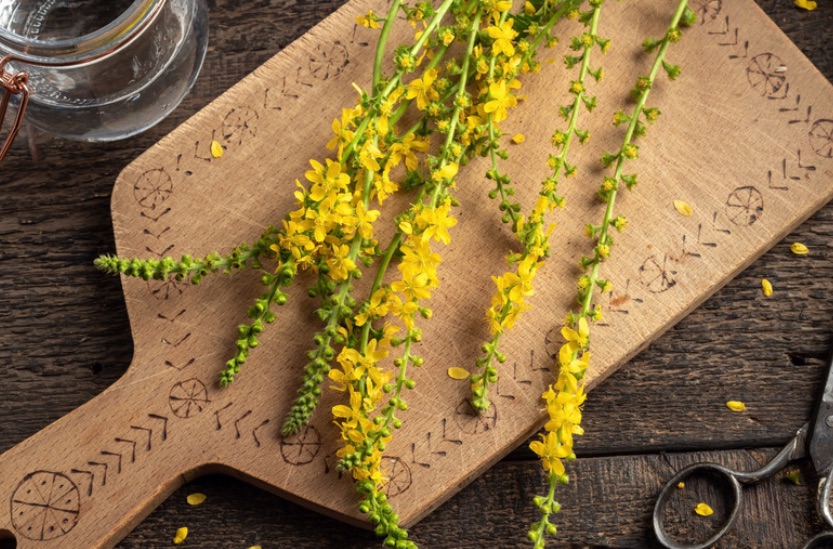
Agrimony is the herb for the “I’m fine” people — the ones who appear cheerful and put-together while quietly carrying a heavy emotional load.

How Agrimony Helps Trauma Survivors
Releases internal tension.
Trauma often lives as tightness in the gut and solar plexus. Agrimony gently softens these holding patterns.
Supports emotional honesty.
Many survivors learn to mask their discomfort to keep the peace. Agrimony helps the body feel safe enough to speak truth.
Eases restlessness and hypervigilance.
It calms the mind without dulling the emotions, helping people “exhale” for the first time in a long time.
Restores boundaries.
Trauma often leads to people-pleasing. Agrimony supports the courage to say no, to pause, and to protect one’s energy.
Energetically: Agrimony is a plant that encourages authenticity — the relief of finally being able to say, “I’m not okay, and that’s human.”
🌼 Calendula: Reawakening Light, Warmth & Hope
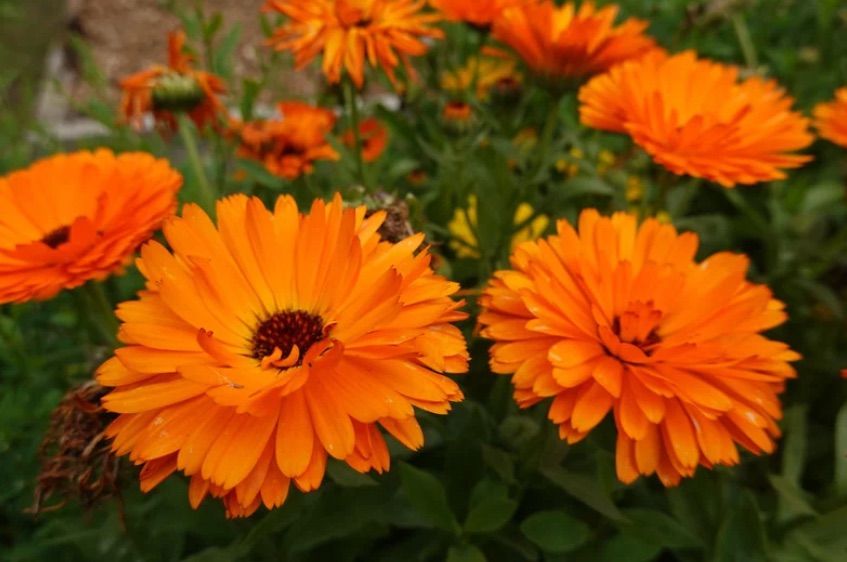
Calendula is a bright, sun-colored flower known for healing wounds and lifting spirits. It is a plant of warmth, safety, and renewal — all essential in trauma recovery.
How Calendula Helps Trauma Survivors
Supports healing of emotional and physical scars.
Calendula is famous for repairing tissues, but it also supports emotional tissues — the parts of us that feel bruised or broken.
Lifts heaviness and shutdown.
Trauma survivors often experience numbness, withdrawal, or fatigue. Calendula brings a gentle “sunrise” to the nervous system.
Moves stagnant lymph. Trauma creates somatic stagnation — stuck energy, stuck emotions, stuck physiology. Calendula encourages healthy movement and release.
Restores the sense of inner warmth.
Its golden energy reminds survivors of resilience, joy, and the possibility of safe connection.
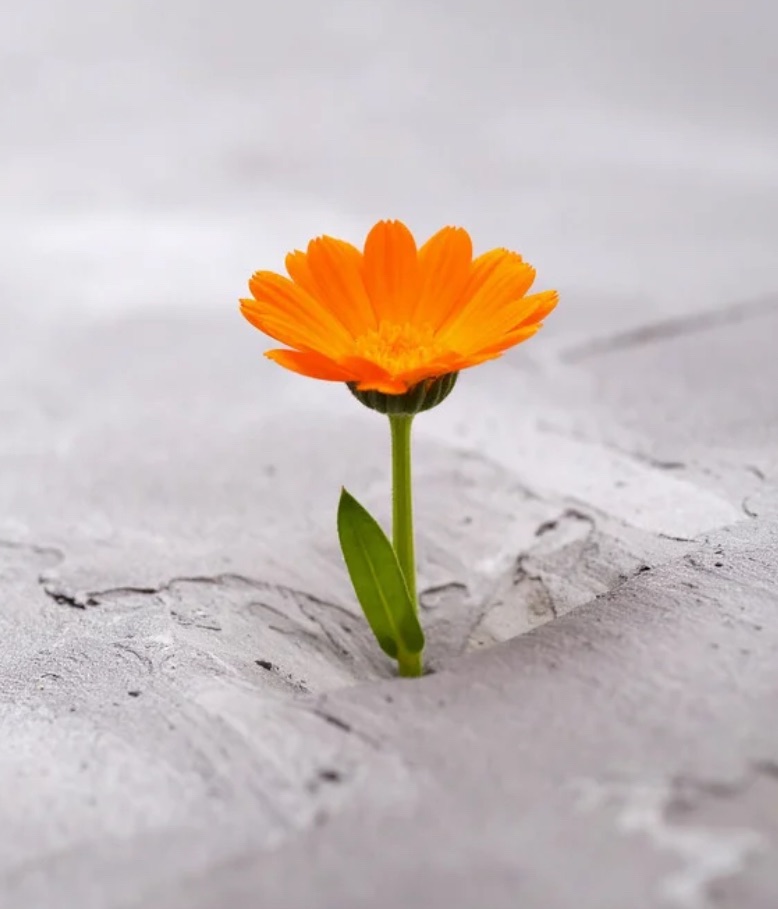
Energetically: Calendula is like being held in warm light — a reminder that healing doesn’t have to hurt to work.
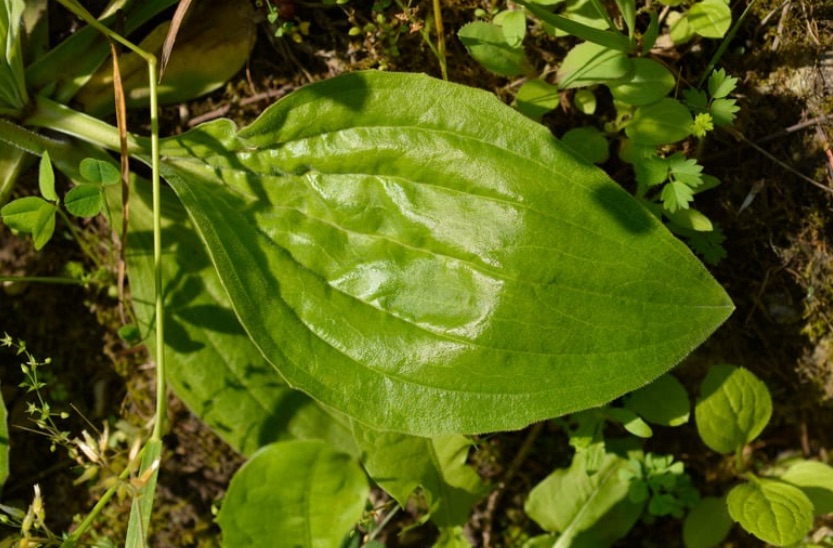
🍃 Plantain: Extraction, Grounding & Protection
Plantain is a humble, powerful weed that grows through cracks in sidewalks and thrives under pressure — making it a perfect ally for survivors.
How Plantain Helps Trauma Survivors
Draws out “poisons,” both literal and symbolic. Just as plantain pulls out splinters and stings, it helps release the emotional debris trauma leaves behind.
Creates grounding and embodiment. Survivors often disconnect from their bodies. Plantain brings awareness back to the feet, the breath, and the present moment.
Restores protective boundaries.
Plantain strengthens the energetic “skin,” helping people feel less porous to others’ moods or expectations.
Softens hardness.
Chronic stress dries out tissues — physically and emotionally. Plantain moistens, soothes, and reintroduces softness.
Energetically: Plantain is a guardian plant — steady, protective, and fortifying.
🌱 Why These Herbs Work So Well Together

Together, Agrimony, Calendula, and Plantain form one of the most trauma-informed herbal combinations available:
Agrimony releases internal tension and supports truthful expression.
Calendula heals, warms, and restores vitality.
Plantain grounds, protects, and helps release what’s been held too long.
This triad supports:
nervous system regulation
emotional processing without overwhelm
healthy boundaries
somatic healing
re-patterning after chronic trauma or stress a return to safety and connection
🌕 Trauma-Informed Herbalism Means Going Slowly
Trauma is not something to fix — it is something to understand, witness, and unwind gently. A trauma-informed herbal approach is rooted in:
✨ Safety
No herb should override the body’s signals.
✨ Choice
Herbs support agency, not dependence.
✨ Regulation
Calming the nervous system before going deeper.
✨ Embodiment
Helping survivors come home to their bodies at their own pace.
✨ Compassionate pacing
Healing unfolds in layers, not leaps.
Plants do not push — they invite.
They meet us where we are and open pathways back to wholeness.

🌿 A Closing Invitation
If you are a trauma survivor learning to reconnect with your body, or a practitioner seeking to support clients more holistically, trauma-informed herbalism offers a gentle, powerful path. The body can heal. The spirit can mend. And the plants — steady as ever — are here to walk that path with you.
 Tigress Botanicals
Leave a comment