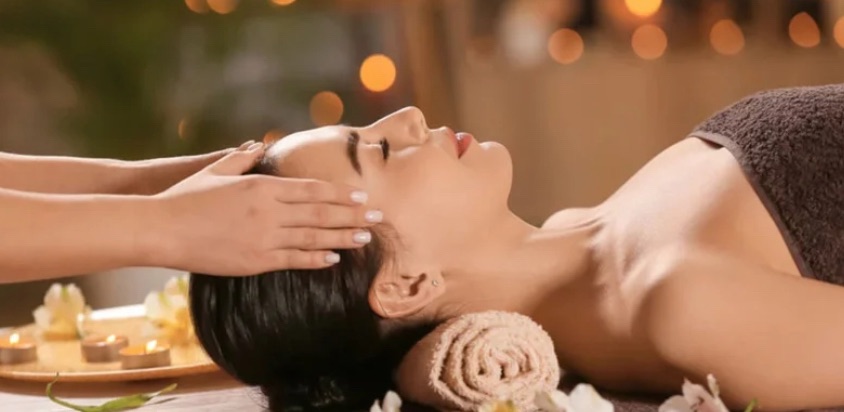

If you’ve ever brushed your hair and noticed more shedding than usual, you’re not alone. Hair growth and scalp health are influenced by circulation, nutrition, and even stress. Fortunately, nature offers a lush apothecary of herbs to help restore balance from the roots up.
Among these, rosemary has become one of the most well-researched herbal remedies for stimulating hair growth. Some studies suggest it may be as effective as minoxidil, the active ingredient in many conventional hair regrowth treatments (Panahi et al., 2015). But rosemary isn’t the only botanical ally at work — peppermint, ginseng, and Ayurvedic favorites like amla and bhringraj each offer unique ways to support stronger, thicker, and healthier hair.
Let’s explore how these herbs work — and how you can bring them into your beauty rituals.
🌿 Rosemary: The Circulation-Boosting Queen

How it works:
Rosemary oil increases blood flow to the scalp, nourishing follicles and encouraging growth. It also has anti-inflammatory and antioxidant properties that help maintain a clean, balanced scalp environment (Panahi et al., 2015).
How to use:
1) Massage rosemary-infused oil into your scalp several times per week.
2) Brew a rosemary rinse by steeping fresh or dried leaves in hot water and pouring over clean hair.
3) Choose shampoos or serums containing rosemary extract for daily maintenance.
💡 Tip: Combine rosemary with peppermint oil for a cooling, invigorating scalp treatment.
🍃 Peppermint: Cool, Tingling Stimulation
How it works:
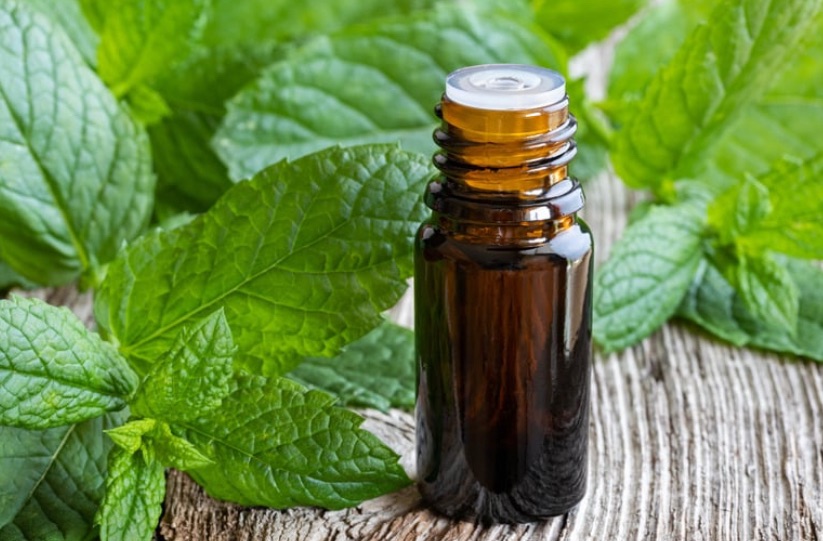
Peppermint oil contains menthol, which increases blood flow and oxygen delivery to hair follicles. In animal studies, peppermint oil promoted faster hair growth and increased follicle depth compared to minoxidil (Oh & Kim, 2014).
How to use:
Dilute a 3% peppermint essential oil solution in a carrier oil such as jojoba or grapeseed. Massage into the scalp for 10–15 minutes, then rinse.
(Note: Most research is preclinical; human results may vary.)
🌸 Ginseng: The Ancient Root of Vitality
How it works:
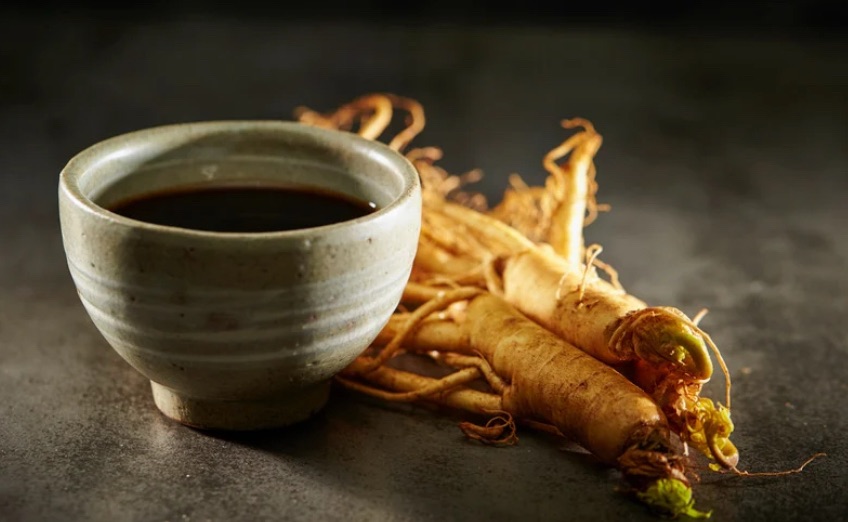
Ginseng — especially Korean red ginseng — contains ginsenosides, compounds shown to enhance scalp microcirculation and stimulate hair follicle cells. It may also protect follicles from oxidative stress (Lee et al., 2012).
How to use:
Take ginseng as a capsule, tincture, or tea. Look for shampoos or serums containing ginseng extract. Combine with adaptogenic herbs like ashwagandha for overall vitality and stress resilience.
🌼 Other Notable Herbal Allies
Amla: Rich in vitamin C and antioxidants to strengthen roots and boost collagen production.
Bhringraj: Known in Ayurveda as the “King of Herbs” for promoting hair growth and reducing premature graying.
Fenugreek: Contains proteins and nicotinic acid that may help reduce DHT, a hormone linked to hair loss.
Neem: Naturally antibacterial and antifungal — perfect for a clear, dandruff-free scalp.
✨ Important Considerations
Consult a professional: Always talk with your healthcare provider before beginning herbal treatments — especially if you’re pregnant, breastfeeding, or taking medication.
Patch test first: Even natural ingredients can cause irritation. Test oils or extracts on a small skin area before applying to the scalp.
Check the evidence: While herbs like rosemary and ginseng are supported by growing research, others need more clinical validation. Always choose products from reputable sources.
🌸 In Summary
Healthy hair begins with a healthy scalp — and these herbs offer a natural, effective way to support that foundation. Whether you’re massaging rosemary oil into your roots, brewing an herbal rinse, or sipping ginseng tea, these botanical allies connect self-care to the rhythms of nature.
✨ Brewed with intention and a bit of herbal magic — your hair is a garden. Tend it well. 🌿
🧾 References (APA 7th Edition)
Lee, J. H., Kim, S. N., & Kim, Y. S. (2012). Effects of Korean red ginseng extract on the proliferation of human hair follicle cells and prevention of hair loss. Journal of Ginseng Research, 36(3), 236–243. https://doi.org/10.5142/jgr.2012.36.3.236 Oh, J., & Kim, M. (2014). Peppermint oil promotes hair growth without toxic signs. Toxicological Research, 30(4), 297–304. https://doi.org/10.5487/TR.2014.30.4.297 Panahi, Y., Taghizadeh, M., Marzony, E. T., & Sahebkar, A. (2015). Rosemary oil vs. minoxidil 2% for the treatment of androgenetic alopecia: A randomized comparative trial. Skinmed, 13(1), 15–21.
 Tigress Botanicals
Leave a comment