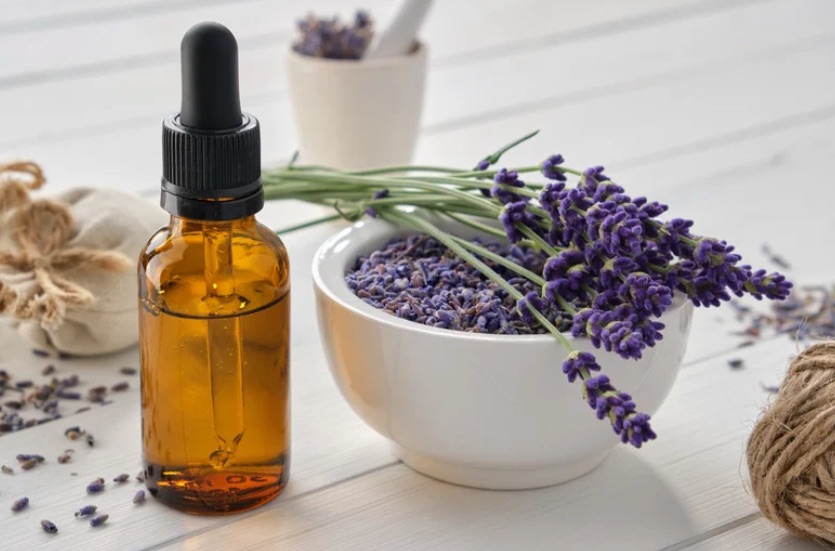
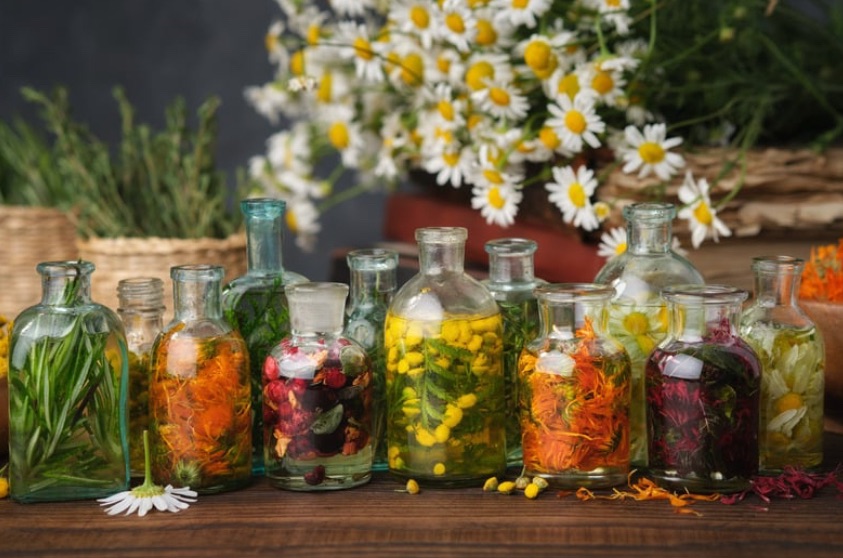
There’s something beautifully alchemical about transforming fresh herbs and flowers into liquid gold. Herbal infused oils carry the scent, flavor, and healing energy of plants — perfect for cooking, skincare rituals, or spiritual self-care. Whether you’re steeping rose petals for a heart-opening massage oil or infusing rosemary for flavorful dressings, this simple process invites you to slow down and connect with nature’s rhythm.
🪴 Step 1: Gather Your Materials
You’ll need:
Carrier oil (olive, grapeseed, sweet almond, jojoba, or sunflower)
Herbs, flowers, or spices (fresh or dried)
Clean, dry glass jars and bottles
Cheesecloth, coffee filters, or a fine sieve
Funnel and spoon
Sunny windowsill or double boiler
Mortar and pestle (optional)
💧 Tip: Sterilize all jars first and ensure they’re completely dry. Even a drop of water can cause spoilage or mold.
🧂 Step 2: Choose Your Infusion Type
🌿 Culinary Infused Oils
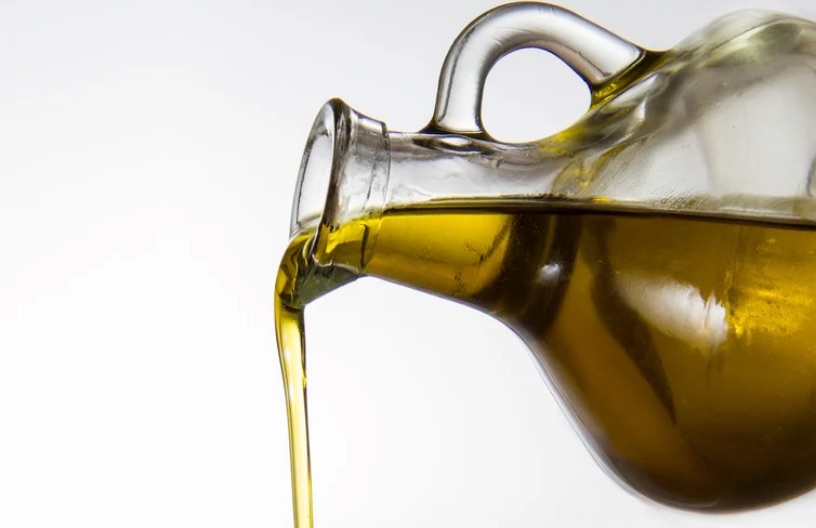
Culinary oils add vibrant, herbaceous flavor to meals while preserving seasonal abundance.
Try these combinations:
Rosemary + Garlic – savory and aromatic
Basil + Peppercorns – for pasta, bread, or salads
Chili + Cumin + Lime – for tacos or roasted veggies
Lemon peel + Thyme – bright and citrusy
Best carrier oils: Extra virgin olive oil, grapeseed, or sunflower oil.
Instructions:
Wash and dry herbs completely.
Bruise leaves or lightly toast spices to release their oils.
Place in a clean jar and cover fully with oil.
Seal and set in a sunny spot, shaking gently each day.
Infuse for 1 week, then strain and taste.
🫙 Storage tip: Keep refrigerated if you used fresh herbs.
🌸 Botanical Scented Oils for Beauty & Ritual
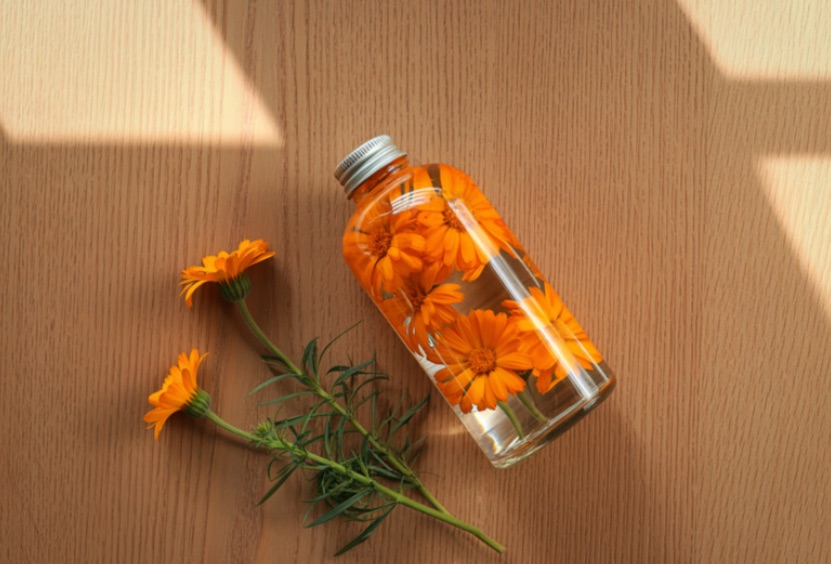
These oils are the base for massage blends, bath oils, facial serums, or natural perfumes.
Best carrier oils:
Jojoba • Sweet almond • Apricot kernel • Avocado • Evening primrose
Favorite botanicals to try:
Lavender, rose, chamomile, jasmine, calendula, lemongrass, mint, pine, or vanilla bean.
Instructions:
Gently crush petals or herbs to release fragrance.
Place in a clean, dry jar and cover with your chosen oil.
Seal and place on a sunny windowsill.
Shake gently every day or two.
After 7–10 days, strain and test the scent.
If you’d like a stronger aroma, repeat the process with fresh herbs.
🔥 Step 3: Quick Heat Method (For the Impatient Alchemist)
If you’re short on time, use gentle heat to infuse your oil:
Combine herbs and oil in a glass jar or double boiler.
Warm on low heat for 2–3 hours (never boil).
Strain, cool, and bottle.
Your kitchen will fill with fragrance, and your infusion will be ready the same day!
🌞 Step 4: Strain, Store, and Share the Magic
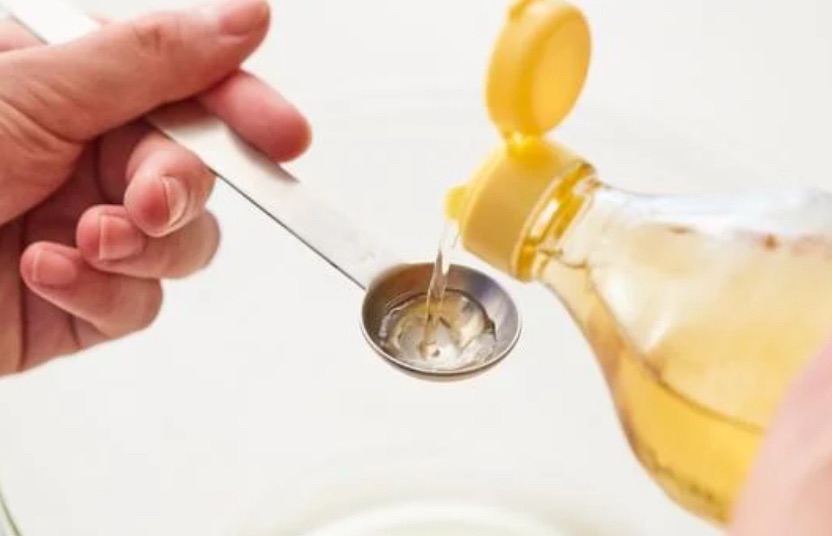
Once your oil smells or tastes perfect:
Strain through cheesecloth into a clean bottle. Label with the herbs, oil type, and date.
Store in a cool, dark cabinet (or fridge if fresh herbs were used).
✨ Presentation idea: Add a sprig of herb or ribbon and gift your creation — a handmade potion of sunlight and love.
💫 Step 5: Infuse with Intention
Infusing oil is more than chemistry — it’s ritual. As your herbs steep, whisper a blessing or affirmation into the jar:
“May this oil carry the light of the sun and the healing of the earth.”
This mindful touch transforms your infused oil from a kitchen project into a spiritual practice — aligning you with the timeless rhythms of nature.
🌺 Final Thoughts
Homemade infused oils are simple, sustainable, and deeply satisfying.
Use them to:
Create herbal skincare and massage oils
Flavor everyday meals
Add to baths or spiritual rituals
Connect more intimately with the earth
Whether you’re infusing rosemary by sunlight or rose petals by moonlight, every drop is infused with care, beauty, and intention — the heart of Tigress Botanicals.
 Tigress Botanicals
Leave a comment