Most of us will deal with back pain at some point—almost 80% of people do. A major reason is something called disc degeneration. Your spinal discs are little cushions between the bones in your spine, and when they start to dry out or break down, pain, stiffness, and nerve problems can follow.

Doctors usually treat this with pain medication, physical therapy, or—when severe—surgery. These approaches help manage symptoms but don’t fix what’s going wrong inside the disc itself. That’s where natural strategies—hydration, nutrients, and herbs—can offer deeper support.
🌀 What Happens When Discs Degenerate
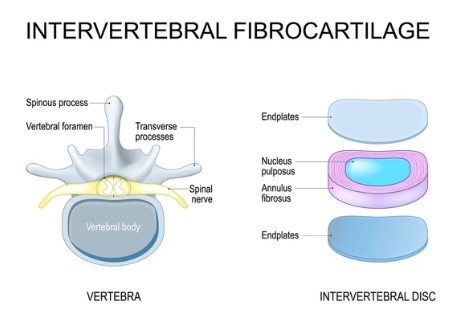
Your disc has three main parts:
1)Nucleus pulposus (NP): the soft, jelly-like center that acts like a shock absorber
2)Annulus fibrosus (AF): the tough outer ring that keeps the NP contained
3)Cartilage endplate (CEP): a thin layer that spreads pressure and allows nutrients to diffuse in
When things go wrong:
➡️The NP dries out and loses proteins, losing its bounce.
➡️The AF develops small cracks that can bulge or tear.
➡️The CEP thins or calcifies, blocking nutrients.
👉 Disc problems aren’t just “wear and tear”—they’re a mix of dehydration, protein loss, micro-tears, and nutrient blockages. Because discs don’t have their own blood supply, healing is slow.
🔥 Why Inflammation Makes It Worse

When discs are damaged, they release inflammatory chemicals like IL-1β and TNF-α.
These molecules:
➡️Kill off disc cells
➡️Break down water-holding proteins
➡️Trigger pain signals in nearby nerves
This creates a vicious cycle:
Damage → Inflammation → More damage → More pain
👉 Breaking this cycle with anti-inflammatory herbs and nutrients helps preserve disc integrity.
💧 Natural Ways to Support Disc Health
Your spinal discs are living tissues. To stay strong and flexible, they rely on a balance of hydration, protein structure, collagen support, and nutrient flow. Here’s how to care for each layer.
1. Hydration (Nucleus Pulposus)
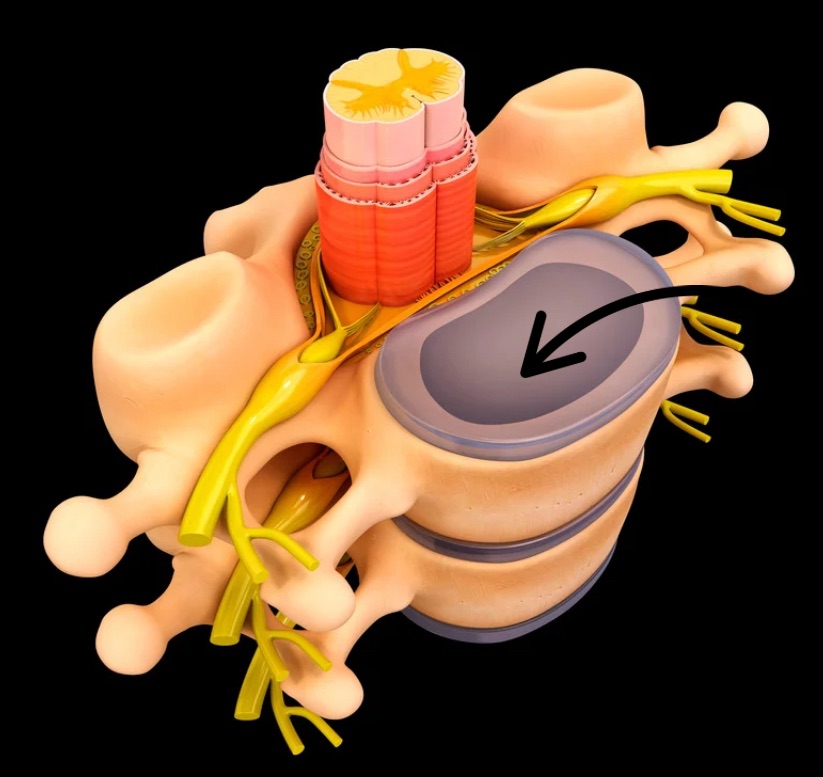
Problem: The NP loses water when it can’t hold onto proteoglycans, making the disc less cushioned.
Support:
• Aloe vera juice is 99% water and contains acemannan, a polysaccharide that binds moisture and may help tissues stay hydrated.
• Gentle movement (walking, yoga) pumps water and nutrients into the disc through the CEP.
2. Protein & Collagen Support (NP + AF)
Problem: Type II collagen and proteoglycans break down, leaving discs fibrous and weak.
Support:
•Vitamin C fuels collagen synthesis and supports disc cell regeneration (Yi, 2022).
•Licorice root (glycyrrhizin) reduces NF-κB and TNF-α, inflammatory drivers of protein loss.
•Resveratrol, found in grapes and berries, protects NP cells and encourages continued collagen and proteoglycan production (Liu et al., 2023).
3. Cracks in the Annulus Fibrosus
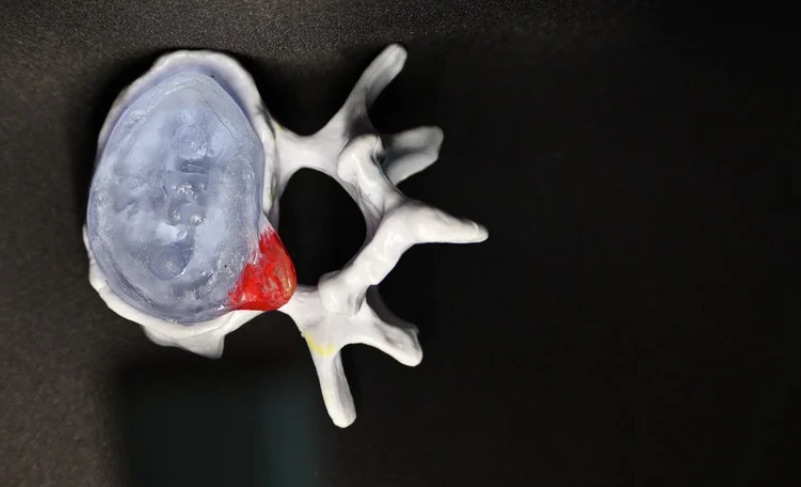
Problem: Tiny tears in the AF let the NP bulge out, sometimes causing herniation.
Support:
•Boswellia (Frankincense) blocks enzymes that degrade collagen and slows further tearing (Bannuru et al., 2018).
•Turmeric (curcumin) calms inflammation that weakens collagen fibers.
•Core strengthening stabilizes the spine and reduces uneven stress.
4. Nutrient Flow Through the Cartilage Endplate
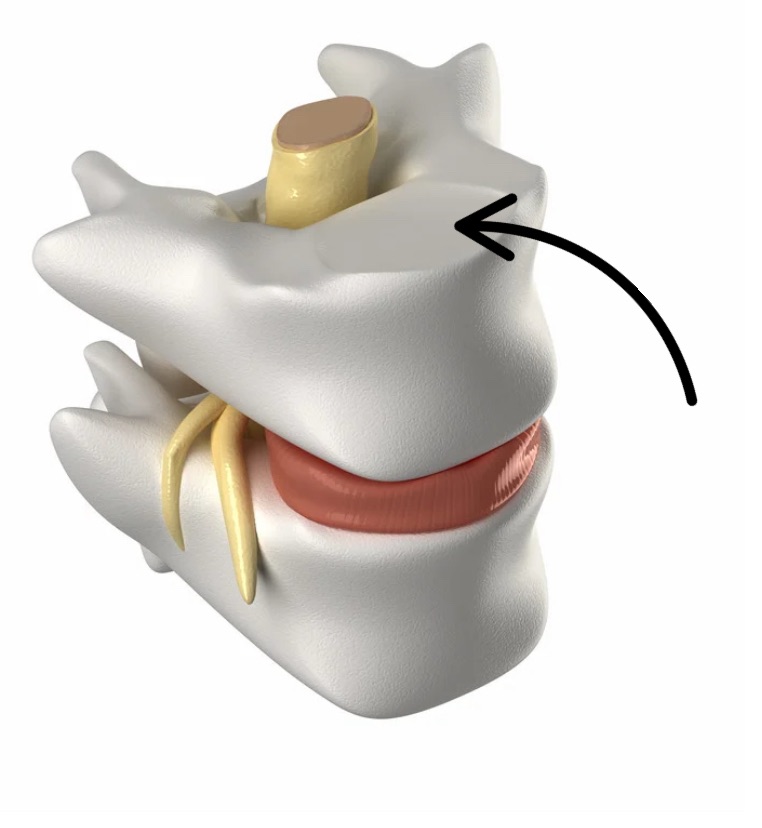
Problem: The CEP can thin or calcify, restricting nutrients from reaching the disc.
Support:
•Vitamin K2 activates proteins that keep calcium in bones instead of soft tissues
•Magnesium helps balance calcium, preventing cartilage calcification.
•Antioxidants like EGCG (green tea) and quercetin protect CEP cells from oxidative stress, a driver of calcification (Novais et al., 2024).
🦴 Calcium in the Right Place vs. the Wrong Place

In bones: calcium strengthens a protein framework, keeping bones dense and flexible.
In discs/soft tissue: misplaced calcium stiffens cartilage, blocks nutrients, and worsens degeneration.
👉 Vitamin K2 + magnesium act as “traffic cops,” guiding calcium to bone and away from discs.
🌿 Herbal and Nutritional Allies

•Aloe Vera: hydrates, cools inflammation, provides antioxidants.
•Licorice Root: protects collagen, slows protein breakdown
•Chamomile: calms nerves, relaxes muscles, aids sleep when pain disrupts rest
•Blessed Thistle: contains cnicin, shown in animal studies to stimulate nerve fiber regrowth
•Vitamin D + C: strengthen bone and collagen
•Polyphenols (resveratrol, EGCG, quercetin): protect disc cells and prevent oxidative damage
🌟 Final Thoughts
Disc problems are caused by more than just aging—they’re a mix of dehydration, inflammation, protein breakdown, micro-tears, and calcium misplacement. While conventional care helps manage pain, herbs, nutrients, and mindful movement can support your spine at a deeper level:
• Aloe vera keeps discs hydrated
• Licorice root preserves collagen
• Chamomile and Blessed Thistle ease tension and aid healing
•Vitamin K2, magnesium, and antioxidants keep calcium in the right place and protect disc cells
✨ Back pain isn’t just about “wear and tear.” By combining modern science with herbal wisdom, you can create the conditions for your spine to stay strong, cushioned, and supported—healing from the inside out.
References
Bannuru, R. R., et al. (2018). Efficacy of curcumin and boswellia for knee osteoarthritis: A systematic review and meta-analysis. Phytotherapy Research, 32(10), 2131–2141. https://doi.org/10.1002/ptr.6179
Liu, Z., et al. (2023). Natural products can modulate inflammation in intervertebral disc degeneration. Frontiers in Pharmacology, 14, 1150835. https://doi.org/10.3389/fphar.2023.1150835
Novais, E. J., et al. (2024). A new perspective on intervertebral disc calcification. Bone Research, 12, 3. https://doi.org/10.1038/s41413-023-00307-3
Urban, J. P. G., & Roberts, S. (2003). Degeneration of the intervertebral disc. Arthritis Research & Therapy, 5(3), 120–130. https://doi.org/10.1186/ar629 Yi, Y. Y. (2022). Ascorbic acid promotes nucleus pulposus cell regeneration by regulating proliferation during intervertebral disc degeneration. European Spine Journal. https://doi.org/10.1016/j.jot.2022.09.005
 Tigress Botanicals
Leave a comment