When I was a little girl, I was sure I’d cure cancer.
My sister and I mixed “medicines” in the backyard — petal shampoos, honeysuckle honey, and my most potent remedy: the tender new green tips of pine needles. I was convinced they could heal anything.
Thirty years later, I find myself wandering my parents’ yard again, searching for a cure. My father is home for a few days between rounds of chemotherapy. The treatments are killing everything that grows, inside and out. His hope feels brittle.
So I wander. And just like they always do in times like this, the plants start to show up.
🌿 Joe Pye Weed: The Purple Guardian
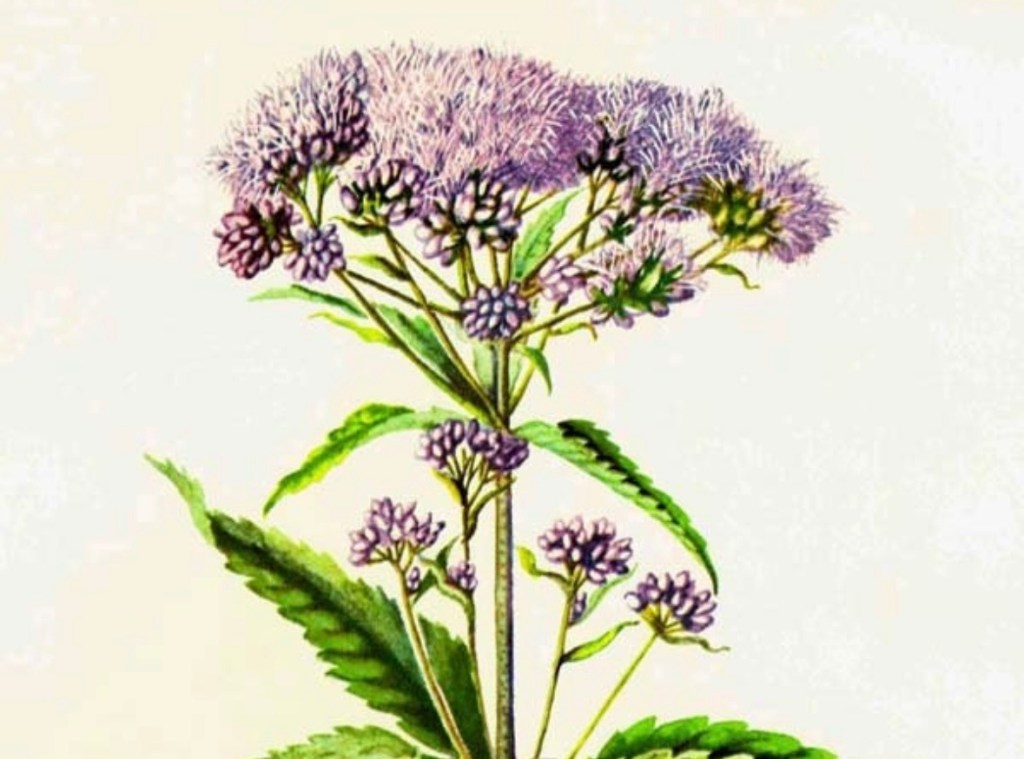
At the back fence, Joe Pye Weed stretches tall and unbothered, its purple umbels swaying like a line of guardians. Bees move greedily among the blossoms, drunk on its faint vanilla scent.
In the old stories, Joe Pye was a Native healer who used the plant to treat fevers and typhus, saving lives when medicine was scarce. Herbalists still use Joe Pye Weed today to support the kidneys and bladder, gently flushing the body.
“Joe Pye Weed reminds me: even when hope feels brittle, there are guardians at the border, purple towers keeping watch.”
It is a plant of defense and generosity — tall, unapologetic, and strong.
🌸 Periwinkle: Quiet Resilience
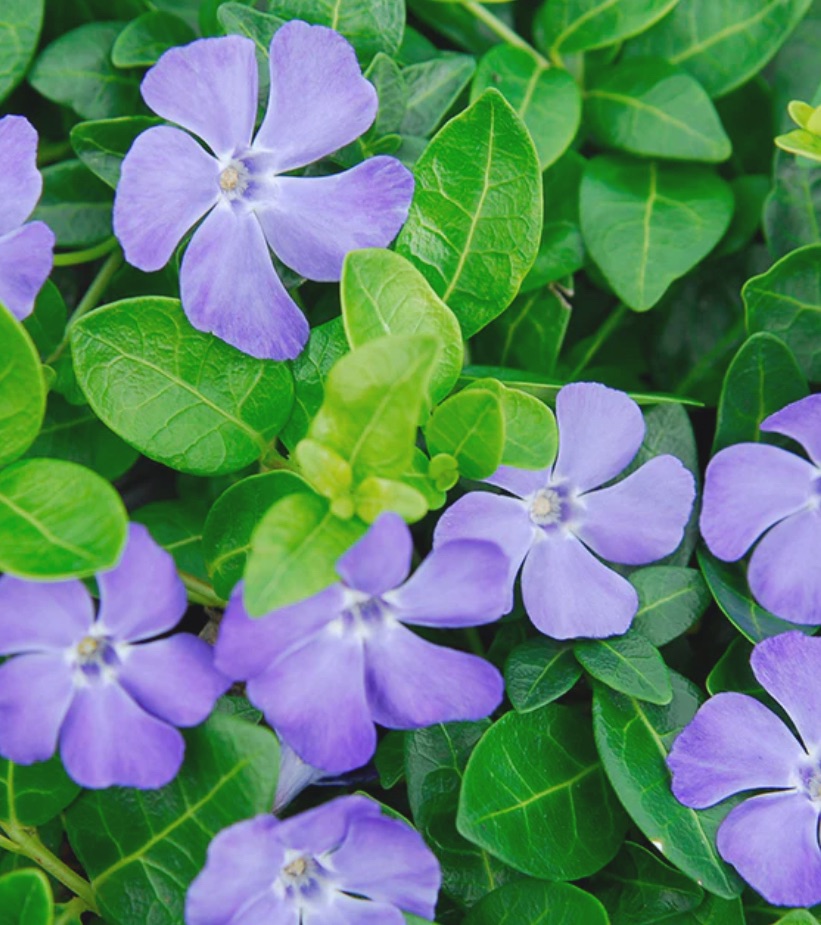
By the back door, periwinkle trails along the ground — a little burst of purple quietly thriving without anyone noticing. It creeps low, weaving into overlooked corners, its star-shaped blossoms peeking out like forgotten jewels.
In folklore, periwinkle was called the flower of immortality. It was woven into garlands for protection or used to crown the dead, a reminder that life and death are braided together.
But beyond myth, periwinkle has shaped modern medicine in profound ways. From its leaves come vincristine and vinblastine — chemotherapy drugs that save countless lives.
“The irony isn’t lost on me: a plant I would have tossed into childhood potions now flows into IV lines for patients like my dad.”
🌺 Echinacea: The Immune Sentinel
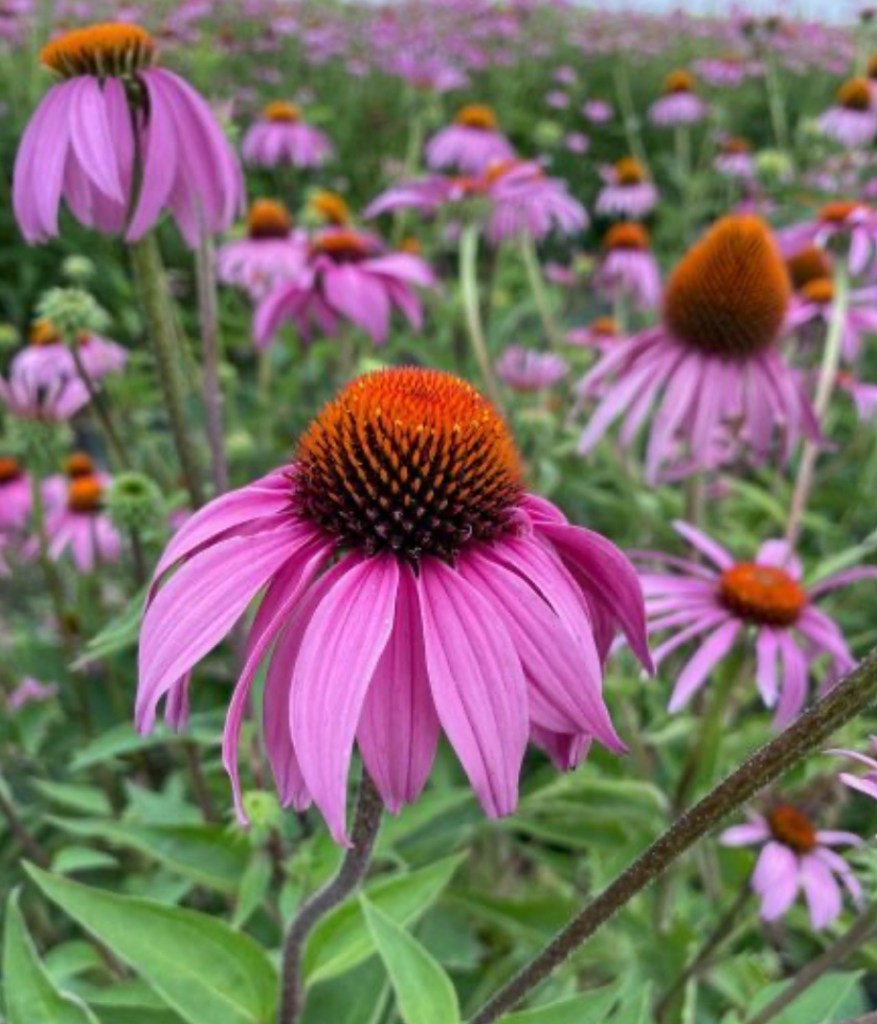
In the front yard, a single echinacea stands tall among lily of the valley — one purple cone holding its ground against a sea of delicate white bells.
Its very name comes from the Greek echinos, meaning hedgehog, a nod to its spiky, armored cone. Indigenous peoples used it to treat snakebites, infections, and fevers. Today it’s known as an immune ally, rallying the body’s defenses.
“Standing there, that echinacea looked less like a flower and more like a sentinel — upright, steady, bristling with quiet power.”
That night, I gathered echinacea seed heads like talismans — spiny little hearts. I scattered them along the front of the house, praying for them to root and protect.
🌼 The Medicine of Hope
Periwinkle weaving unnoticed by the back door. Joe Pye Weed standing guard at the fence. Echinacea holding ground among lilies.
Each plant carries its own story — of folklore, of medicine, of resilience. Together, they remind me that healing isn’t always about eradicating illness, but about creating a web of defenses, of beauty, of persistence.
“Wildflowers don’t ask for permission to grow; they root where they can, and bloom when it seems impossible.”
Maybe hope works the same way. Not loud or certain, but quiet, stubborn, and wild.
 Tigress Botanicals
Leave a comment